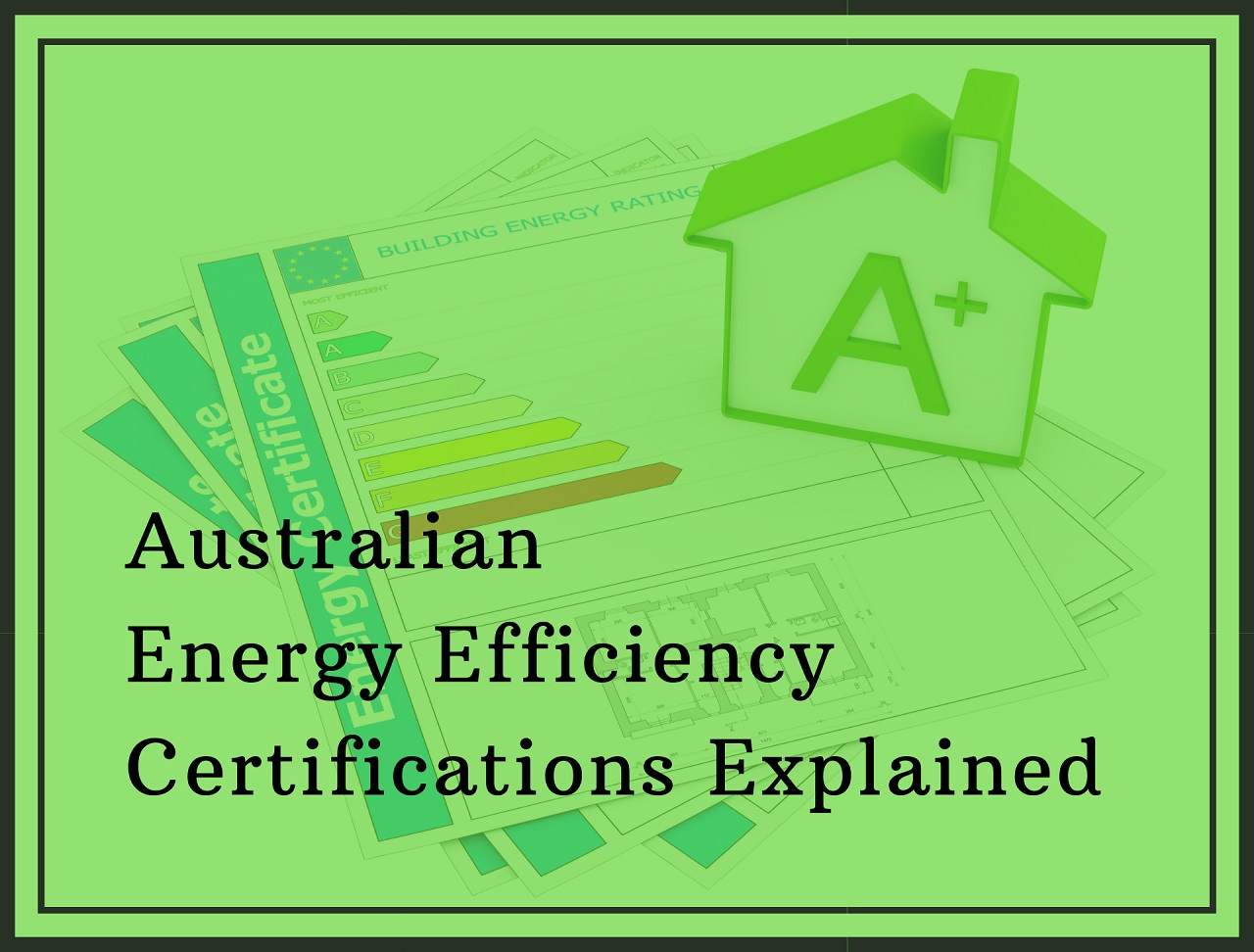
Smart Thermostat Secrets: Proven Strategies to Slash Your Energy Bills
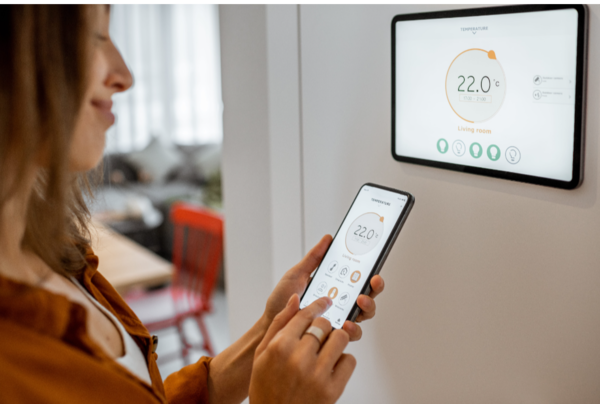
Every Australian household, new or old, grapples with one unavoidable fact: heating and cooling systems are power guzzlers. They can account for up to 40% of home energy consumption, so even a small adjustment to your thermostat can yield real benefits. But many homeowners do not appreciate the role their thermostat plays in this equation.
Understanding how your thermostat functions, where it is located, and how you use it could be the key to lower bills or a warm, efficient home. Beyond comfort, intelligent thermostat control is synonymous with energy-efficiency demands, such as the 6 star energy rating that requires homes to reduce waste and adopt eco-friendly lifestyles.
Let’s explore practical, science-backed ways to optimise your thermostat and achieve better comfort at a fraction of your current energy cost.
1. How Thermostat Manages Indoor Temperature
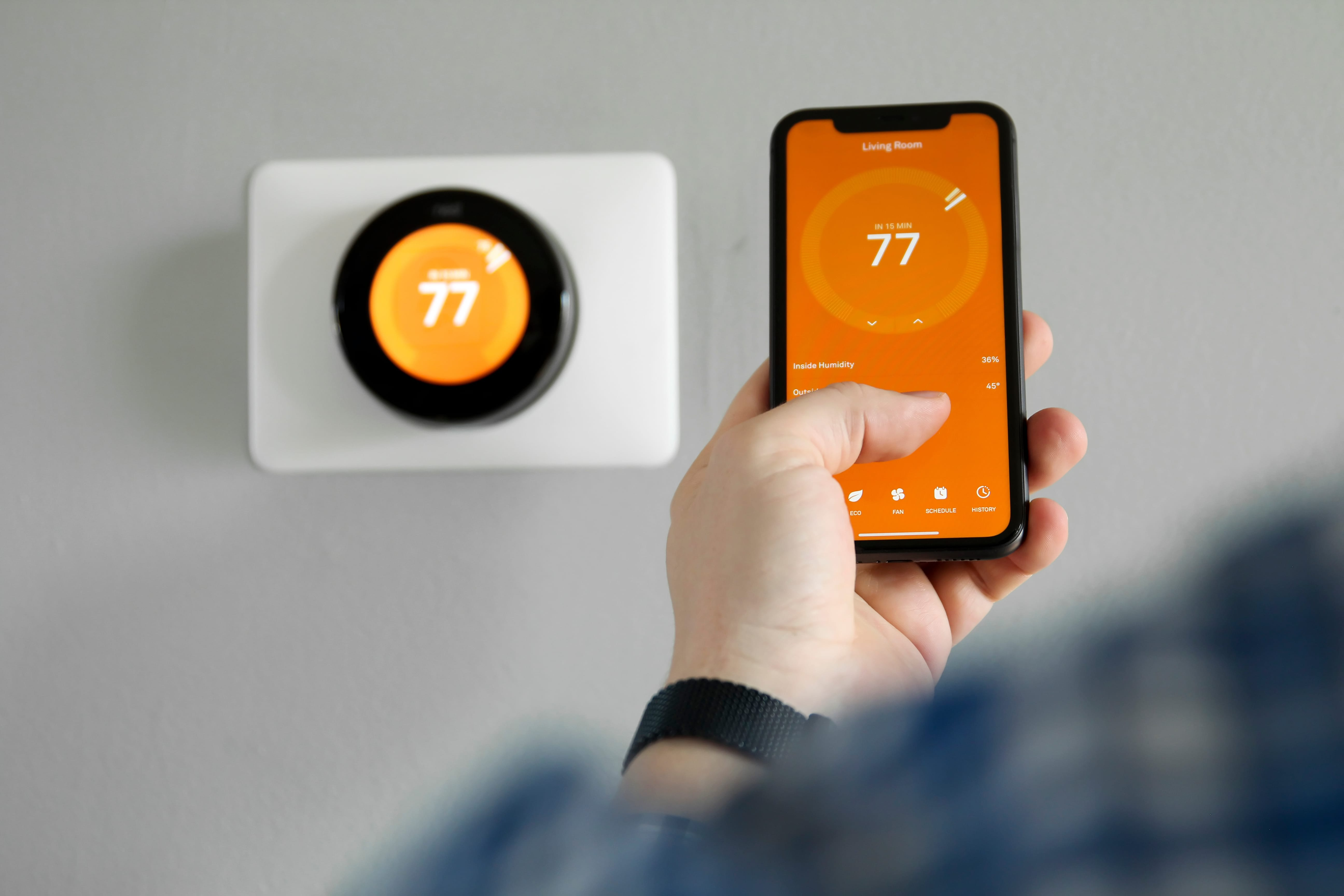
Few people realise that your thermostat isn’t just a switch for heating or cooling — it’s the command centre for your home’s entire thermal system. The key to cutting energy bills lies in more intelligent control, not drastic temperature settings.
Start by programming your thermostat based on your lifestyle rather than keeping it fixed at one temperature all day. For example, if your household is empty between 9 a.m. and 5 p.m., lower the heating set point or raise the cooling one by a few degrees during that time. Then, schedule it to return to comfort mode just before you arrive home.
A simple two-degree difference can reduce annual energy consumption by 5–10%. Likewise, avoid turning systems completely off during short absences. Instead, use “setback” temperatures — slightly higher for cooling and somewhat lower for heating — to prevent your system from overworking when it restarts.
2. Integrating Thermostat Strategy with Home Design
Your thermostat doesn’t work in isolation — it performs best when your entire home supports its function. Energy-efficient design elements, such as insulation and glazing, directly affect how effectively your thermostat manages indoor conditions.
That’s why energy-conscious households focus not only on heating and cooling systems but also on the building fabric. Ensuring proper insulation, sealing air leaks, and upgrading to energy-efficient windows can significantly improve your HVAC system's performance.
A well-balanced approach also aligns with compliance standards such as the Nationwide House Energy Rating Scheme (NatHERS). Homes built to these standards must achieve specific efficiency targets, and thermostat management plays a crucial role in sustaining those outcomes over time.
3. Balance Your System with Thermostatic Radiator Valves

For homes with hydronic or radiator heating systems, thermostatic radiator valves (TRVs) are game-changers. These small but mighty devices attach directly to your radiators and automatically regulate the flow of hot water based on the desired temperature in each room.
Here’s how they help: imagine your living room reaching its target temperature faster than your bedroom. With this TRV feature, the radiator in that room will automatically reduce its heat output, thereby preventing overheating and allowing cooler rooms to catch up.
Another advantage of TRVs is that they are set-and-forget devices. Once installed, they continuously self-adjust and balance your home's temperatures. It’s one of the most effective low-cost upgrades you can make for long-term savings and consistent warmth.
4. Aligning Thermostat Strategies with Sustainability
At a broader level, smart thermostat management supports Australia’s shift toward sustainable housing and carbon neutrality. Each small action — from adjusting your setpoint to scheduling your system — contributes to national efforts in reducing energy demand.
It’s also a key factor in achieving better building compliance scores and long-term property value. Energy-efficient homes not only cost less to run but are also more comfortable and environmentally responsible.
Whether you’re planning a renovation or simply upgrading your HVAC system, make sure your thermostat choices fit into your broader energy plan. With careful management, your comfort, wallet, and the planet can all win together.
5. Other Impact of Smart Thermostats
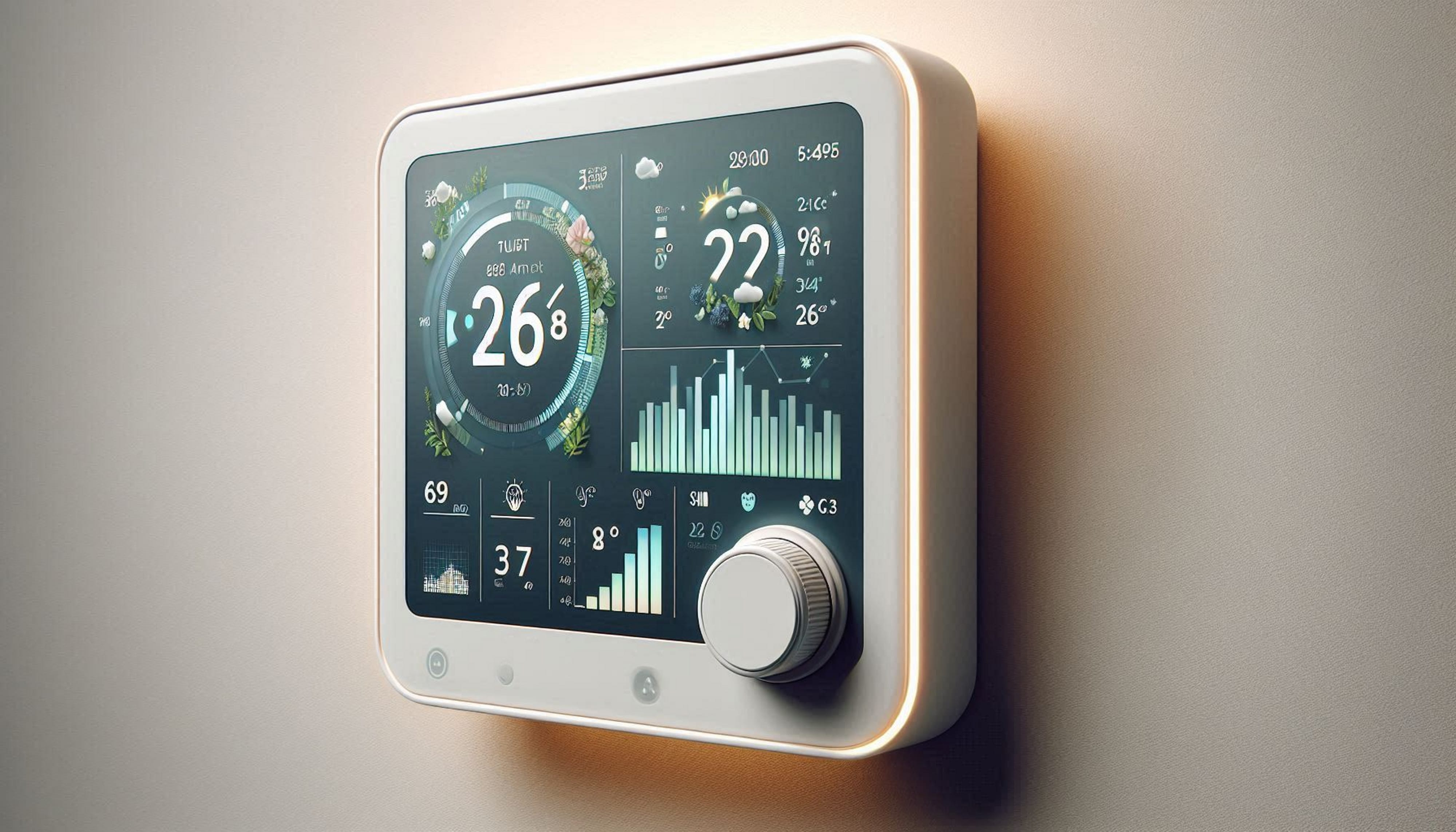
Technology is reshaping how Australians approach home comfort. Smart thermostats, for example, are no longer futuristic gadgets—they’re now accessible, intuitive, and proven to save money.
Modern models can learn your routines, sense occupancy, and even connect to your smartphone. This means your system can automatically switch into eco mode when you leave the house or preheat before you arrive. Some advanced versions use weather data to fine-tune performance, reducing heating when the sun is out or adjusting cooling ahead of a heatwave.
According to the Australian Department of Climate Change, Energy, the Environment and Water (DCCEEW), households using programmable or smart thermostats can cut heating and cooling costs by 10–20%. The convenience of remote access also means you’re always in control, even on the go.
6. Common Thermostat Mistakes to Avoid
Many households unknowingly sabotage their thermostat’s performance. To get the best performance, we should avoid the following mistakes:
• One of the biggest mistakes is installing it in a hallway or near a return air duct, where airflow doesn’t reflect actual living conditions. While this was once common practice, it often results in uneven heating and cooling between rooms.
• Another common issue is blocking the thermostat behind curtains, bookshelves, or decorative furniture. The airflow restriction can cause it to misread temperatures, running systems longer than necessary.
• Finally, avoid large, sudden changes in setpoints, such as turning the thermostat up to 28°C after coming home on a cold day. Not only will this not get the space warmer faster, but it will also make the system run for longer, overshooting the desired comfort zone. It is better to make gradual changes in the thermostat settings and let the system adjust accordingly.
Final Thoughts

At the end of the day, a thermostat is more than a control dial — it’s your gateway to a more efficient, comfortable, and sustainable lifestyle. From intelligent scheduling to proper placement, every small action counts toward lowering energy use and cutting costs.
When combined with thoughtful insulation, ventilation, and appliance choices, these thermostat strategies can help you achieve the efficiency goals associated with a home energy rating. And as more Australians aim for energy-smart living, mastering your thermostat could be one of the most straightforward — yet most rewarding — changes you make at home.