10 Practical Ways to Slash Your Hot Water Bill in Australia

Finding ways to reduce your hot water bill can feel like an uphill battle, especially when energy costs keep rising, and families rely more than ever on consistent access to hot water. Yet, minor adjustments — paired with better system choices — can dramatically cut your household expenses.
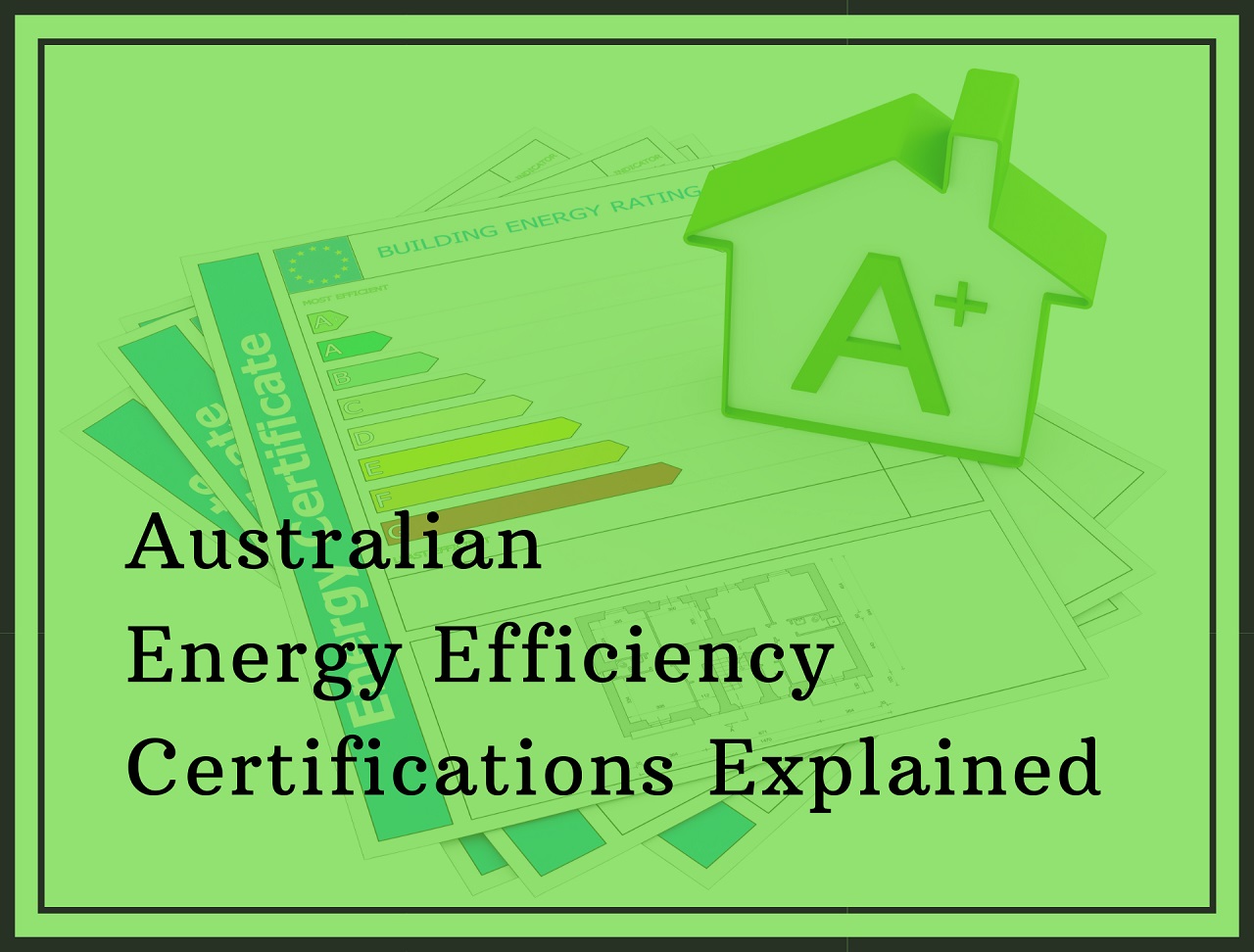
As more Australians turn to efficient home upgrades, many are also realising the value of choosing appliances and systems aligned with a 6 star energy rating to minimise unnecessary energy use from the very beginning.
Warm showers, sparkling clean dishes, and hygienic laundry cycles may be everyday luxuries, but they don’t need to drain your budget. This article unpacks proven strategies that genuinely help Australians save money on their hot water costs, while also offering practical insight into system efficiency, usage habits, and maintenance essentials.
1. Start by Understanding What Drives Your Hot Water Costs
Hot water can account for up to a quarter of your household’s total energy use. Because of that, every improvement — even small ones — creates ongoing savings. Consider how often you use hot water for showering, dishwashing, laundry, and cleaning. When you know where most of your consumption sits, it becomes easier to target change.
Many families discover that long showers are the main culprit. Others notice that outdated systems are cycling constantly, costing more than they realise. Understanding your usage is the first step to controlling your bill.
2. Switch to a More Efficient Shower Setup
In many Australian homes, showers use more hot water than anything else. For that reason, upgrading to water-efficient showerheads can make a huge difference. Modern models reduce water flow without affecting comfort, and most people barely notice the change.
While it might seem like a minor upgrade, a single efficient showerhead can save thousands of litres of water per year — and that directly reduces the energy needed to heat that water.
3. Track and Compare Your Usage Over Time
Insights become powerful when you track your usage monthly or quarterly. Many homeowners now rely on smart meters or energy apps to understand precisely when and where they’re using the most energy. These tools make inefficiencies easier to spot.
Reading your household’s energy rating report for new appliances also helps you choose the most cost-effective upgrades when the time comes. The more informed your decisions, the more money you save long-term.
4. Reduce Shower Time
Even shaving off two or three minutes per shower can have a noticeable impact. One helpful trick involves putting on your favourite short song as a timer. Another is switching to a “two-stage” shower routine — rinse, turn off the water while soaping, then rinse again.
Families often find this surprisingly easy to adopt, especially kids who enjoy turning it into a fun challenge.
5. Adjust the Thermostat on Your Hot Water System
Turning your hot water system down to a safe but efficient temperature prevents excess energy use. Most general hot water systems don’t need to run as hot as many households set them.
By adjusting the thermostat to the manufacturer-recommended level (and ensuring it still meets safety guidelines), you reduce heat loss and stop the system from reheating unnecessarily.
6. Insulate Your Hot Water Pipes and Tank
The more heat your system loses, the harder it must work. Pipe insulation is simple, affordable, and effective. It ensures the water stays warmer for longer, which means your system heats less often. Tanks can also be fitted with insulating wraps to improve heat retention.
In cold Australian regions — such as parts of Victoria, Tasmania, or the Blue Mountains — this can be especially valuable.
7. Consider the Age of Your Hot Water System
Even though many Australian residents extend the life of their hot water systems considerably beyond the recommended period, it can cost them a great deal more in the future. Outdated electric systems, for example, are known to be extremely inefficient, and replacing them with more contemporary technology can save you money immediately.
Heat pump systems and solar hot water systems have proven to be extremely popular, especially for those looking to save money in the future. They use significantly less energy, and in many states, there are considerable incentives to offset the initial costs.
8. Use Appliances That Heat Water Efficiently
Dishwashers and washing machines often heat their own water, and older units can be surprisingly inefficient. Upgrading to newer, energy-efficient models ensures water is heated using far less electricity.
Consumers often overlook this, but appliance efficiency makes a significant difference over the lifetime of the appliance.
9. Check Whether Your System Is Working Harder Than Necessary
Sometimes the issue isn’t the system itself but how it’s being used. For example, running multiple hot-water-heavy tasks back-to-back (showering, laundry, dishwashing) can force systems into overdrive.
Spacing out your usage gives your hot water system time to recover and reduces its overall workload.
A professional plumber can also check whether your system has sediment build-up, leaks, worn valves, or faulty thermostats — all of which cause unnecessary heating cycles and increase your bill.
10. Upgrade to a Hot Water System Designed for the Future
With energy prices rising nationwide, one of the most innovative long-term strategies is installing a highly efficient hot water system. Heat pump systems, in particular, have become a standout choice for Australian homes because they use environmental heat rather than electricity to warm your water.
Solar hot water systems remain another excellent option, especially for households with good sunlight exposure and the ability to install rooftop panels. And for gas users, modern instantaneous systems eliminate the ongoing energy loss found in traditional storage tanks.
Final Thoughts
As the cost of energy continues to rise, it’s not just advisable but necessary to consider ways to reduce hot water usage. This is because exploring efficient appliances for hot water use, improving hot water usage patterns, insulating the hot water systems, and planning for the future can help reduce the cost of hot water dramatically.
In addition, Australians are becoming more aware of the significance of hot water system efficiency and the need for state standards to inform more efficient purchase decisions.
Therefore, for those planning to purchase a hot water system for use in the home, particularly for those in Victoria, the 6 star energy rating in Victoria is a key consideration to ensure the best return on investment for the long term.