
How Long Does a Home Energy Rating Take?
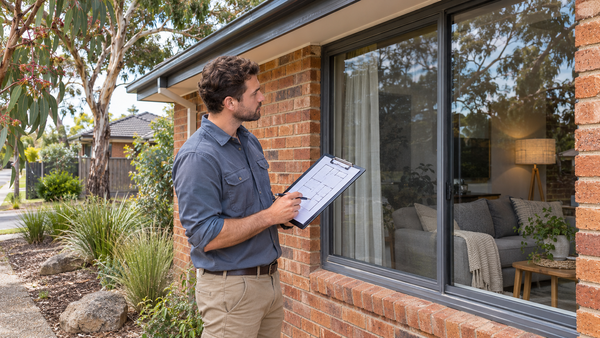
Most home energy ratings take about 1 to 3 weeks from booking to certificate, though the exact time depends on the home and how quickly the information is gathered. The on-site visit itself usually takes one to two hours for a typical house. Larger or older homes, and homes with missing plans or several renovations, can take longer.
If you’re planning a renovation, selling, or looking to cut your energy bills, knowing the timeline helps you plan. This guide walks through each stage of a home energy rating and what you can do to keep things moving.
What affects how long a home energy rating takes?
No two homes are the same. Two houses on the same street can need very different amounts of time because of differences in:
- Size: A three-bedroom home is quicker to assess than a large family home with multiple levels.
- Age and layout: Older homes can have hidden insulation gaps or unusual construction that needs a closer look.
- Renovations: Extensions, added rooms, and changed windows all need to be recorded.
- Available paperwork: Plans and records speed things up. If you don’t have them, the assessor relies more on measuring and observing on site.
- Access: If the assessor can’t get into roof spaces, subfloors, or certain rooms, extra visits may be needed.
The steps in a home energy rating
A home energy rating is a process, not a single appointment. Here’s what usually happens.
1. Initial enquiry and quote
You provide the property address, the type of home, roughly how old it is, and why you want the rating. This allows the assessor to confirm that a home energy rating is the right type of assessment for your situation.
2. Gathering your information
Before the visit, collect whatever you already have. This doesn’t need to be perfect. Useful items include:
- Floor plans or drawings
- A list of renovations and extensions, with approximate dates
- Photos of the home
- Details of your heating, cooling, and hot water systems
- Information about solar panels or batteries
- Any comfort issues you’ve noticed, such as cold rooms or drafts
Having this ready can save a return visit or a round of follow-up questions.
3. The site visit
The assessor walks through your home to record the details that affect energy use. They’ll look at:
- The layout and which way rooms face
- Windows, glass types, and shading from trees or nearby buildings
- Visible insulation, where it’s accessible
- Heating, cooling, and hot water systems
- Solar panels and batteries
For most homes, the visit takes around one to two hours.
4. Data entry and calculations
Once the assessor has the information, they enter it into specialist software. The software estimates how much energy the home uses for heating and cooling and how it performs over a typical year. This step is usually quick, but it can take longer if some details are unclear and need checking.
5. Follow-up questions
Assessors sometimes need to confirm a detail after the first review, such as the age of a window or whether a room was added later. Answering these quickly keeps the timeline on track.
6. Your certificate
Once everything is checked, you receive your Home Energy Rating certificate. It shows your home’s star rating and offers guidance on comfort, running costs, and upgrades. Turnaround after the final information is in is typically a few working days.
How to get your home energy rating faster
You can shorten the wait by doing a few things before you request a quote:
- Send your address and photos early. This lets the assessor check the likely assessment approach before booking the visit.
- Share any plans you have, even if they’re old or hand-drawn.
- Write down your renovation history. A rough timeline is enough.
- Note your system details. The make, model, and age of your heating, cooling, and hot water systems help a lot.
- Confirm access. Make sure someone can let the assessor into every area, including roof spaces and subfloors where relevant.
When to get a home energy rating
Timing matters. A rating is most useful before you lock in big decisions. It’s worth booking before you:
- Plan a renovation or extension
- Replace heating or cooling systems
- Upgrade insulation or windows
- Install solar or a battery
- Switch to electric appliances
- List a home for sale or prepare a rental
If you wait until after work is finished, the rating can still be done, but it may give you less room to change your plans.
Frequently asked questions
How long does a home energy rating take?
Most ratings take about 1 to 3 weeks from booking to certificate. The on-site visit is usually one to two hours. The total time depends on the home’s size and complexity, how much information you can provide upfront, and how quickly any follow-up questions are answered.
Does a home energy rating need a site visit?
For most existing homes, yes. The assessor needs to see the layout, windows, insulation where accessible, and your heating, cooling, and hot water systems to produce an accurate result.
Can missing plans delay my home energy rating?
They can add some time, because the assessor will need to rely more on site measurements and observations. Missing plans don’t usually stop a rating from going ahead.
How can I speed up my home energy rating?
Send your property address, any plans and photos, your renovation history, and details of your heating, cooling, hot water, and solar systems before the visit. Make sure the assessor can access all areas of the home.
When is the best time to get a home energy rating?
Before you make major decisions about renovations, upgrades, selling, or leasing. Early information gives you more options.
Ready to get your home energy rating?
Send us your property details, any plans, and a few photos, and we’ll confirm what to expect and how long your rating is likely to take.

